
Long live analog photobooths
if it's digital, it's dead to me

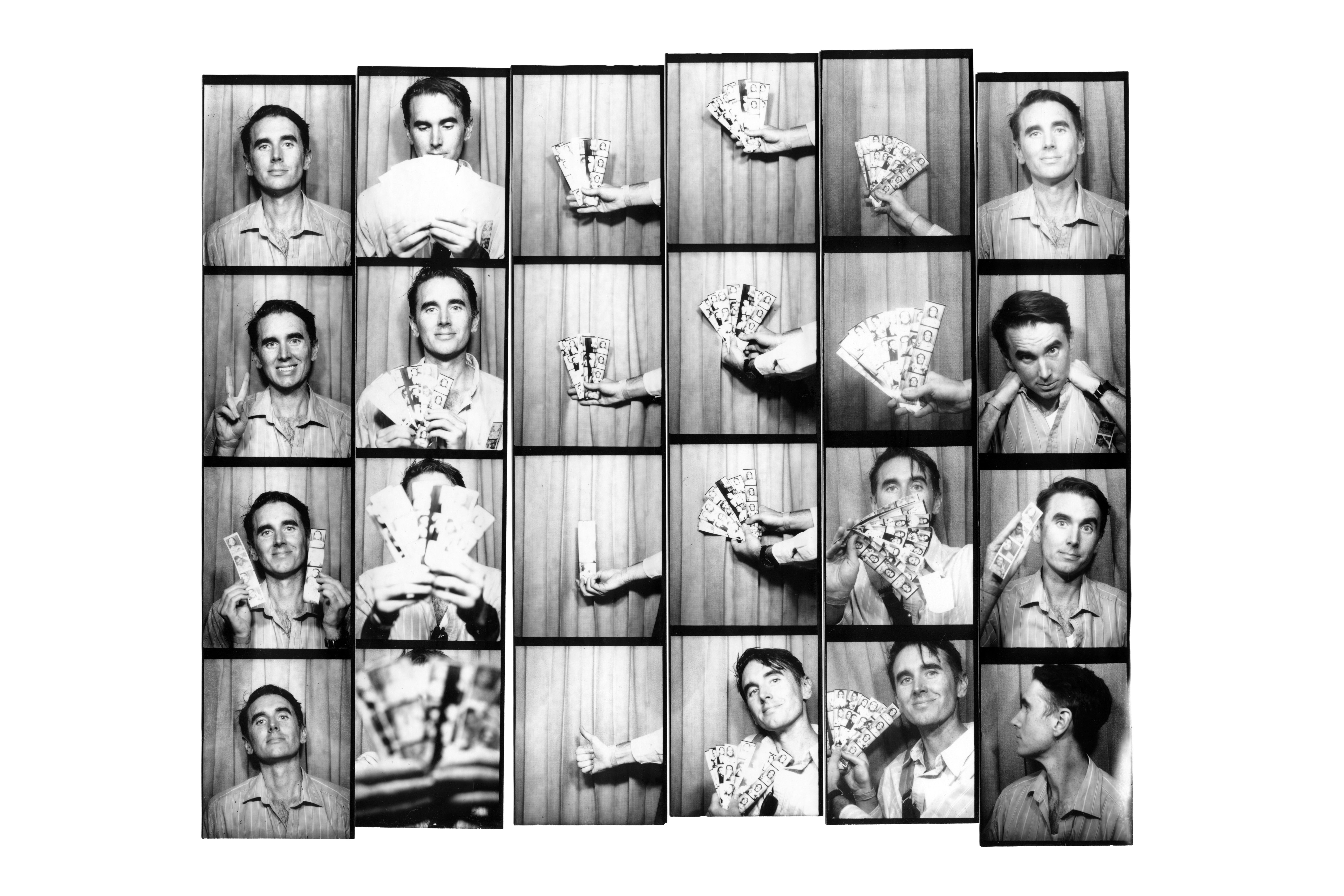
My first introduction to analog photobooths came around 2016 when I was moving to Brooklyn. A few bars still had them tucked away in dark corners. I had a mustache.
The process fascinated me: there was no film… your mug went straight to paper. That means the moments behind the curtain can’t be duplicated. No digital files to train AI. '
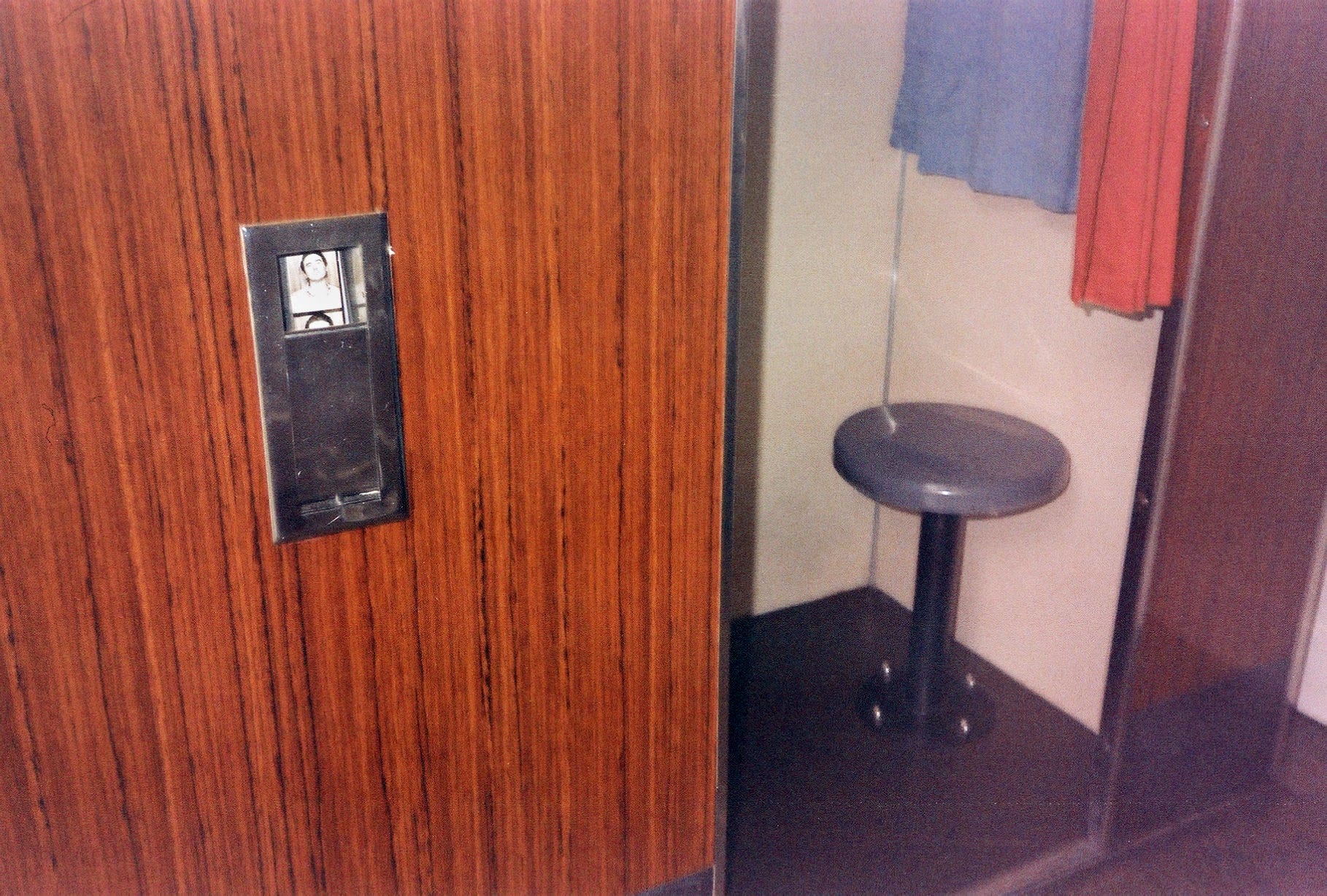
The slow process takes more than 5 minutes for a strip to appear, dripping wet and smelling of chemicals. In the meantime you can listen to the clanks of the machinery working inside. Finally, your four photos appear with the perfect amount of contrast and grain to make anyone look good.
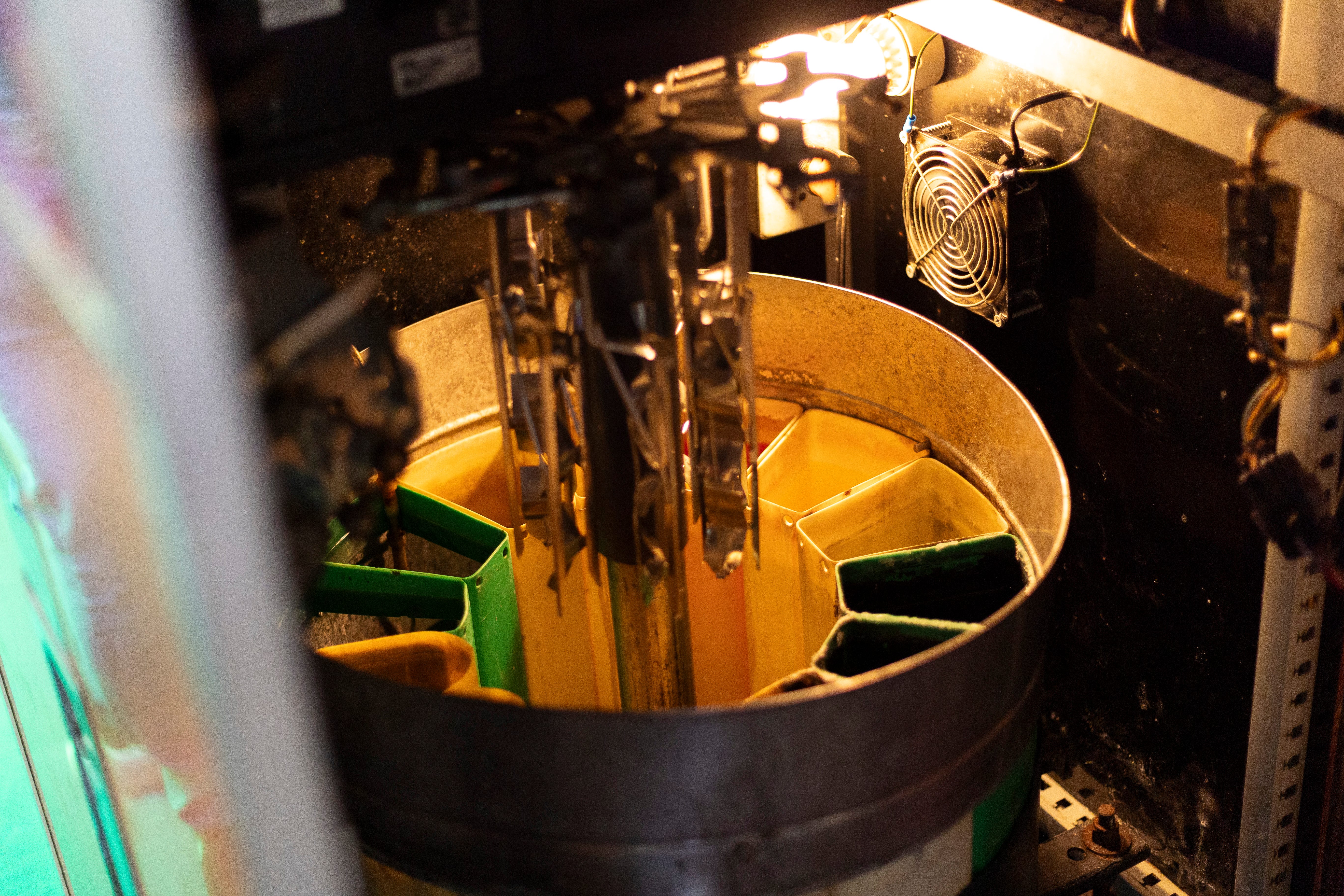
One Sunday afternoon my friends and I were having some day drinks at Birdy’s when I noticed the photobooth insides were exposed. Much like the popular French film Amélie, a rare sighting of a real technician was working on it.
I jumped at the opportunity to meet the mysterious tech. Raul was in town from Los Angeles because the company’s one tech in New York was sick. He was kind enough to give me a tour of chemical tanks inside the machine and explain the process. For the first time I was able to see the complex darkroom developing that usually goes on behind closed doors.
It’s a moment I’ll never forget. I ignored my friends the rest of the afternoon to watch Raul work.
“Honoring a century of analog wonder and timeless memories”
Fast forward almost a decade and analog photobooths are still hard to come by but have now exploded in popularity. In New York, where a handful of dedicated techs keep them moving, small businesses (and even a museum) have been formed around the lost art of maintaining these booths. For example: the line outside Old Friend, New York’s only sidewalk accessible booth, often wraps around the corner.
Media coverage has been picking up on the trend.
Finding a booth for sale is like striking gold. Purchasing the right paper and chemicals has become a sport.
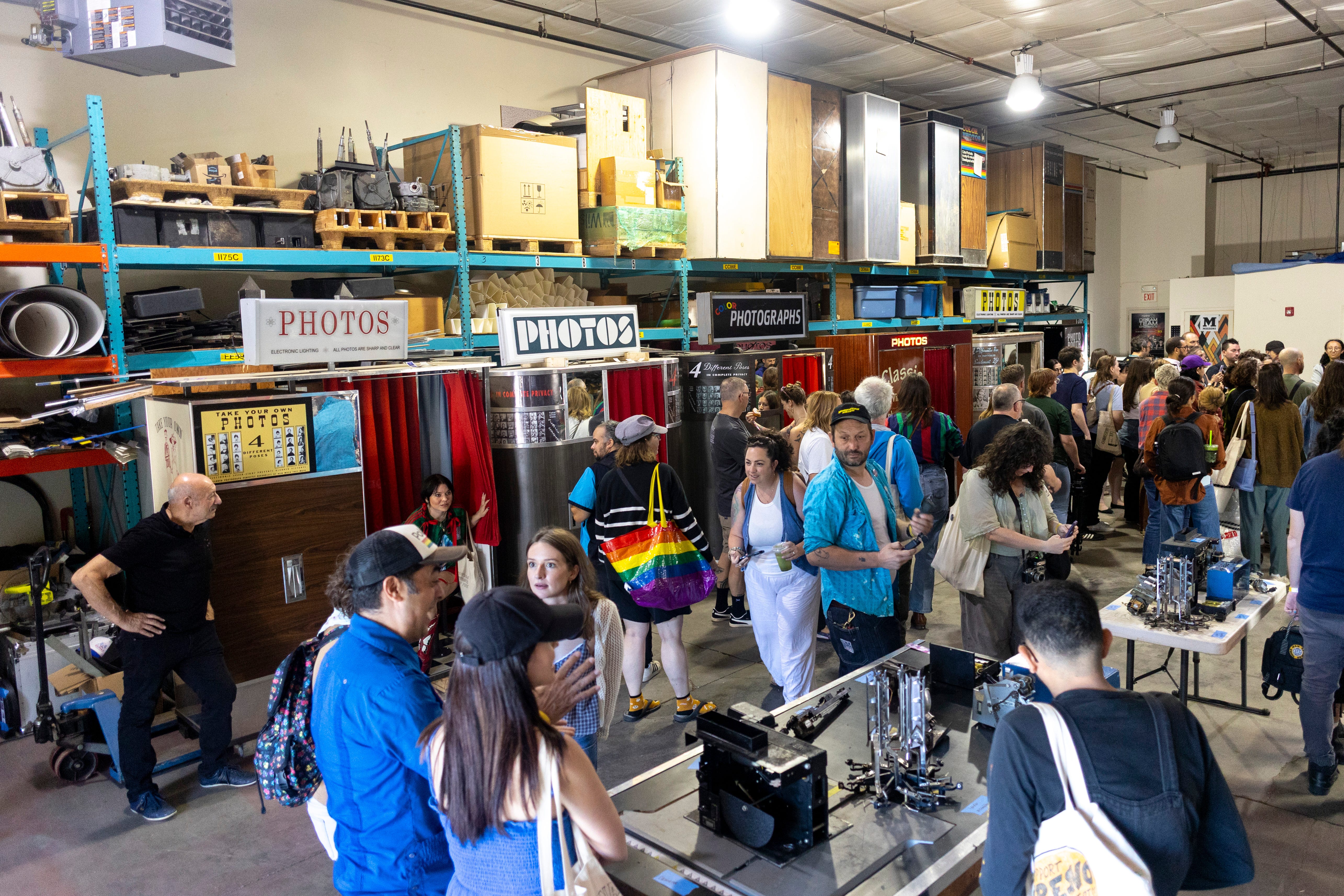
That’s why I marked it on my calendar when I heard the International Photobooth Convention, which I had been eyeing for years, would be held in New York this summer.
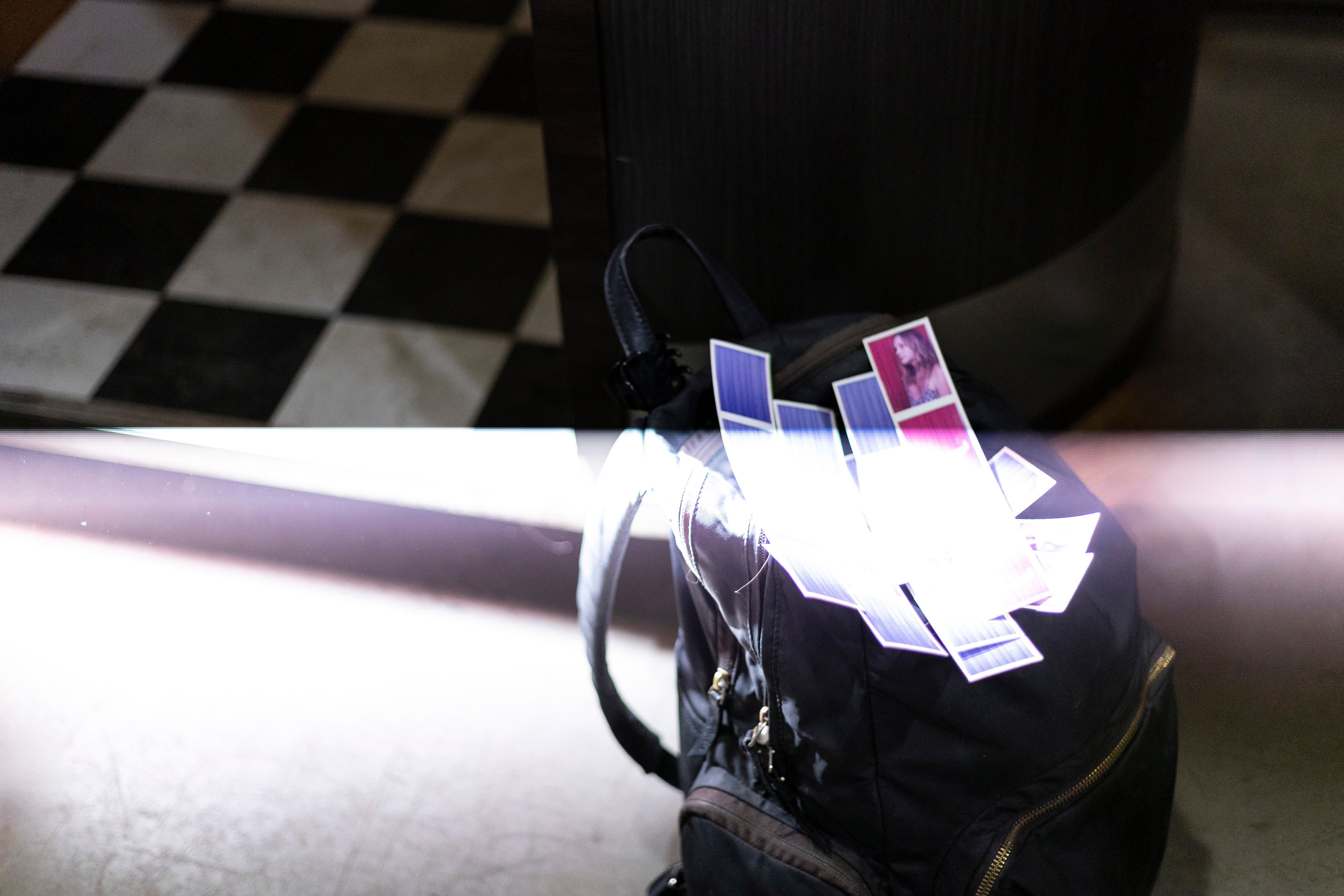
Last call for color
Earlier that summer the photobooth community was abuzz with word that North America’s only color booth, and one of only two left IN THE WORLD, would be retiring. A stockpile of special paper was running out and this summer would be its last.
Lucky for me, this seasonal booth is in Upstate New York at Sylvan Beach and only a two hour drive from Albany. I made a plan to drive out and catch a Syracuse Mets game the same day.
David Carello, the second generation owner of Carello’s Arcade, is no stranger to hosting curious photobooth nerds. His color booth sits in the shadow of a carousel, near a Zoltar fortune teller, and right next to a black-and-white sister booth.
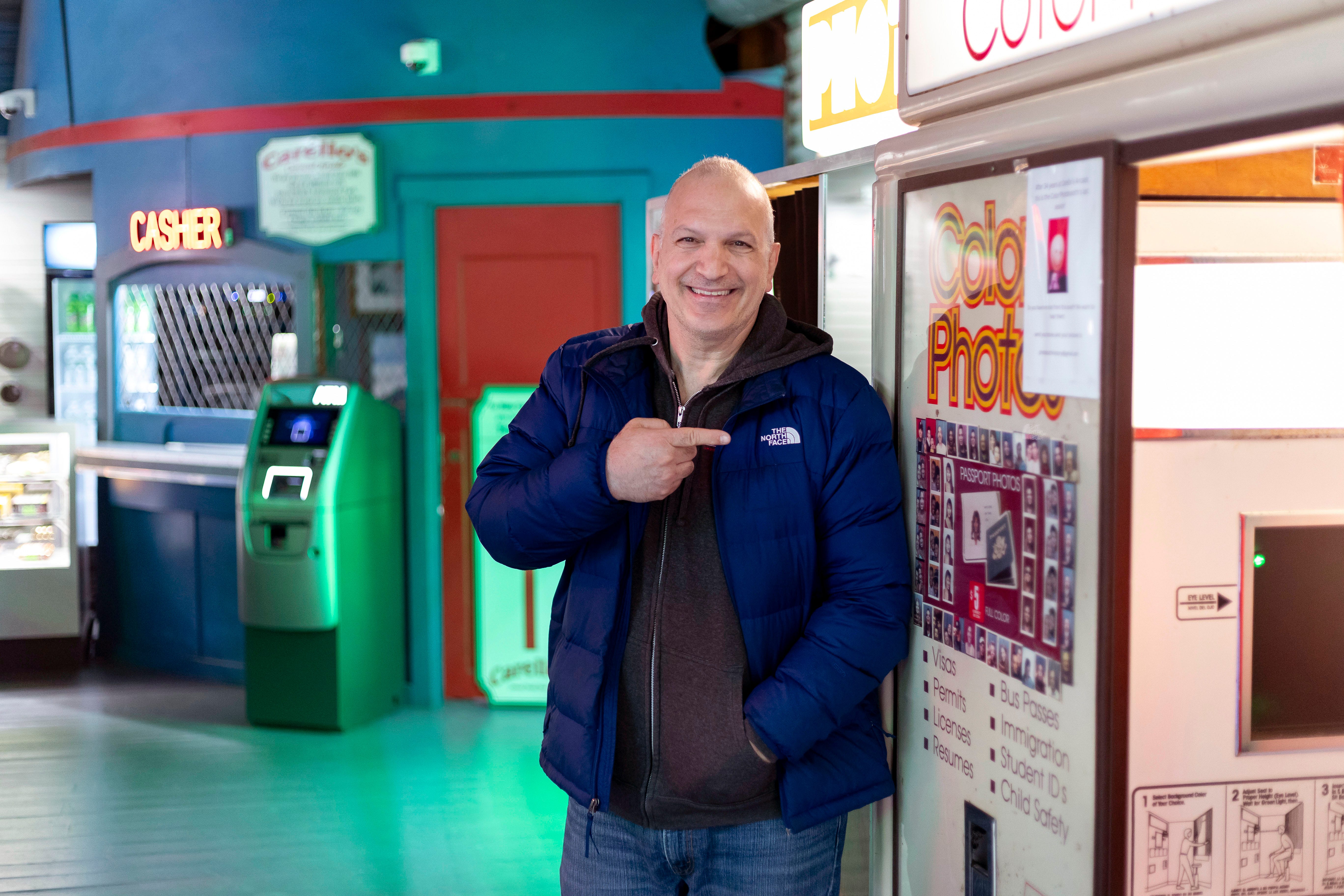
After years of compiling black-and-white strips it felt like magic to watch them come out in color. For the first time I could choose between blue or red background curtains — usually limited to coming out white or gray.
And what better way to pay tribute to analog photobooth than breaking out the old camcorder? Here is Anna getting her photos:
If you, one of my many few subscribers, are reading this and wanting to experience your own analog photobooth… I have good news for you. There is a booth closer to the Capital Region at Thorne’s Marketplace in Northampton, Massachusetts. The only other two in the Northeast just popped up this year near Boston. Any of those are worth a day trip if you’d rather not go to NYC.
As I sat down to write this, I really enjoyed stumbling upon this 17 year old New York Times video about the history of the photobooth:
I have always thought the New York State Museum in Albany should be home to one of these booths to pay homage to its creation in Times Square.
I will be happy to serve as its mysterious tech.